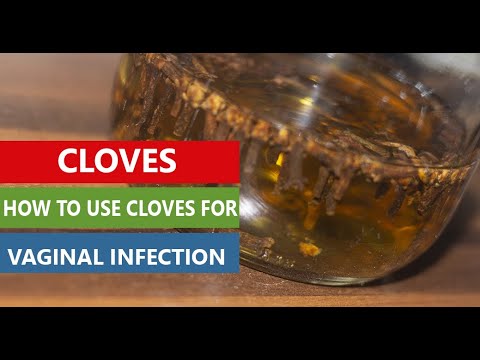
Are you looking for information on whether cloves (Syzygium aromaticum) can treat fungal infection like candida (vaginal Yeast Infection) and bacterial infections? Here is an article that highlights what studies say about cloves and vaginal infection.
Indeed, multiple studies show that clove extracts can inhibit Candida species (e.g., C. albicans, C. tropicalis, C. glabrata). The effectiveness depends on the extraction solvent (ethyl acetate, methanol, etc.), dose, and fungal strain (1) (2) (3).
In one animal (mouse) model, clove oil was effective in reducing symptoms of Candida vaginitis (4).
The next thing we will look at is how clove could treat other vaginal infection like bacterial infection.
Antibacterial / Antimicrobial Activity Of Clove
Clove oil/extracts have been shown in lab studies to inhibit the growth of various bacteria, including Staphylococcus aureus, Escherichia coli, and others.
Some studies also show suppression of biofilm formation, which is relevant because BV involves overgrowth and imbalance of bacterial flora (5).
One study isolated microorganisms from vaginal discharge and found ethanol clove extract had antimicrobial effects, especially vs. Staph. aureus and Candida (6).
Clove And Biofilm Disruption
Clove oil can disrupt biofilms formed by Candida albicans, according to animal model studies. Biofilms are communities of microbes that are harder to eliminate and more resistant to standard treatments (7).
In non-vaginal settings, clove oil showed strong antibiofilm effects (e.g. on Alicyclobacillus acidoterrestris) suggesting it has potential for breaking down biofilm structures (8).
⚠️ What We Don’t Know Yet & Limitations
Unfortunately, there is limited direct research on clove or its extracts specifically for Bacterial Vaginosis (BV).
Most work is more on yeast/fungal infections, or in vitro antibacterial activity, but not large, well-controlled human trials for BV.
Also, dosage and safety issues are still unclear.
Clove oil is potent (eugenol is a major active compound).
Using undiluted clove oil can irritate mucous membranes.
Sensitivity, allergic reactions, or irritation are possible.
Effect on “good” vaginal flora (like Lactobacillus) is not well-studied. A treatment that harms beneficial bacteria could worsen or prolong BV.
Most of the studies are performed in labs or in animal models, not human clinical trials. Results in human bodies can differ due to complexity of microbiome, individual variation, etc.
💡 What This Means In Practice
If considering clove / clove oil as a complementary remedy (with caution) for vaginal infection, here are general considerations:
Dilution is essential. Always dilute clove oil if applying topically or using in formulations intended for the vaginal area.
Patch test first on another area of skin to check for allergic/sensitivity response.
Related Article
Vagina Care: Secrets Of Keeping Clean You Don’t Know
Consider combining with treatments that restore healthy flora (probiotics, etc.).
Avoid use during pregnancy, or in open wounds, unless under medical supervision—due to eugenol’s potency.
Keep in mind standard medical treatments for BV (antibiotics, etc.) are well studied —herbal remedies are more supportive / experimental.
✅ Bottom Line
Clove and clove oil show promise against vaginal pathogens, especially fungal ones, and have antibacterial and anti-biofilm properties in lab studies.
However, there is not enough strong evidence yet to recommend them as a primary treatment for bacterial vaginosis.
They may be useful as adjuncts, and more clinical trials are needed to evaluate safety, efficacy, dosage, and effects on normal vaginal flora.
Video: How To Use Cloves For Vaginal Infection